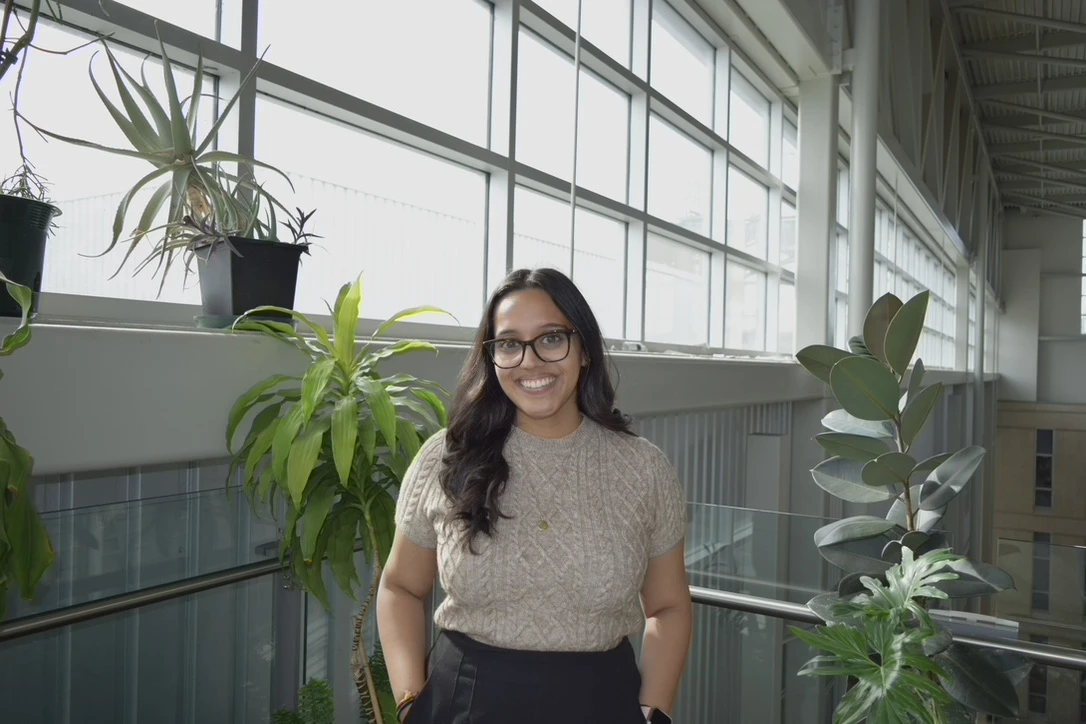
Landscape portrait
Biomedical Engineer
About Me

Hi, I'm Karisma!

I'm an early-career biomedical engineer with interests in medical devices, rehabilitation engineering, and healthcare product development. I'm especially drawn to roles where I can stay closely involved throughout the full product lifecycle, from identifying clinical needs and developing concepts to prototyping, testing, and validation. I enjoy hands-on, interdisciplinary work that brings together engineering fundamentals, biomaterials, and human-centered design.

My passion comes from designing technologies that are easier to use, safer, and more accessible.

I work best in collaborative environments where engineers, clinicians, and end users are all part of the conversation. Ultimately, I'm driven by the chance to apply engineering concepts to meaningful problems and deliver solutions that make a tangible difference in ensuring equitable opportunities for all.

Academic Background

I earned my undergraduate degree in Biosystems Engineering at the University of Manitoba in 2025, where my training emphasized hands-on design, experimental research, and biomedical applications such as prosthetics and biomechanics.

I am currently pursuing a Master of Engineering at the University of California, Berkeley, a program that integrates advanced engineering with leadership and entrepreneurship, focusing on interdisciplinary collaboration and translating technical solutions into real-world healthcare impact.

University of California, Berkeley

Expected May 2026

Master of Engineering – General Bioengineering

GPA: 3.91 / 4.0

University of Manitoba

Completed April 2025

B.Sc. in Biosystems Engineering – Biomedical Specialization

GPA: 4.0 / 4.5

Technical Expertise

  • Python
  • MATLAB
  • SolidWorks
  • AutoCAD
  • Fusion 360
  • Biomaterials
Academic Background

Relevant Coursework

Selected undergraduate and graduate coursework emphasizing medical innovation, bioengineering, and human-centered design principles

University of California, Berkeley

Graduate Level
  • Clinical Need Based Therapy Solutions

    Clinical needs identification and translation into device concepts.

  • Biological Performance of Materials

    Material–biological interactions and biocompatibility.

  • Human–AI Design Methods

    Human-centered and AI-assisted healthcare design.

  • Macromolecular Science in Biotechnology

    Polymer structure–property relationships.

University of Manitoba

Undergraduate Level
  • Anatomy & Physiology

    Human systems for medical device design.

  • Biomechanics

    Human movement and mechanics for rehabilitation design
    .

  • Design of Assistive Technology Devices

    User-centered assistive technology design.

  • Bioengineering Applications in Medicine

    Engineering approaches to diagnostics and therapeutics.

Work Experience

Health Sciences Centre

Research Student
Winnipeg, Manitoba
  • Analyzed 5+ user performance datasets from an adaptive bicycle system, identifying 3 key design limitations that informed targeted safety and usability improvements for children with disabilities.
  • Co-authored sections of a research manuscript detailing experimental methodology, results, and design outcomes.
Biomaterials Synthesis Engineering Lab

Research Student
Winnipeg, Manitoba
  • Fabricated electrospun nanofibrous membranes using the NE300 system for infection detection applications.
  • Conducted antibacterial testing against MRSA, E. coli, and P. aeruginosa, evaluating antimicrobial efficacy across 9 samples with different compositions.
  • Analyzed and mitigated sources of false positives, optimizing experimental protocols to enable membranes to maintain accuracy for up to 20 hours.

Vale

Environmental Engineering Intern
Thompson, Manitoba
  • Monitored water chemistry across 14 environmental sites, ensuring compliance with provincial and federal regulations.
  • Coordinated contractors for bridge installation projects, supporting safety compliance and on-time delivery.
  • Supported ISO 14001 transition by updating environmental documentation and standardizing processes across 3 departments.

Featured Engineering Projects

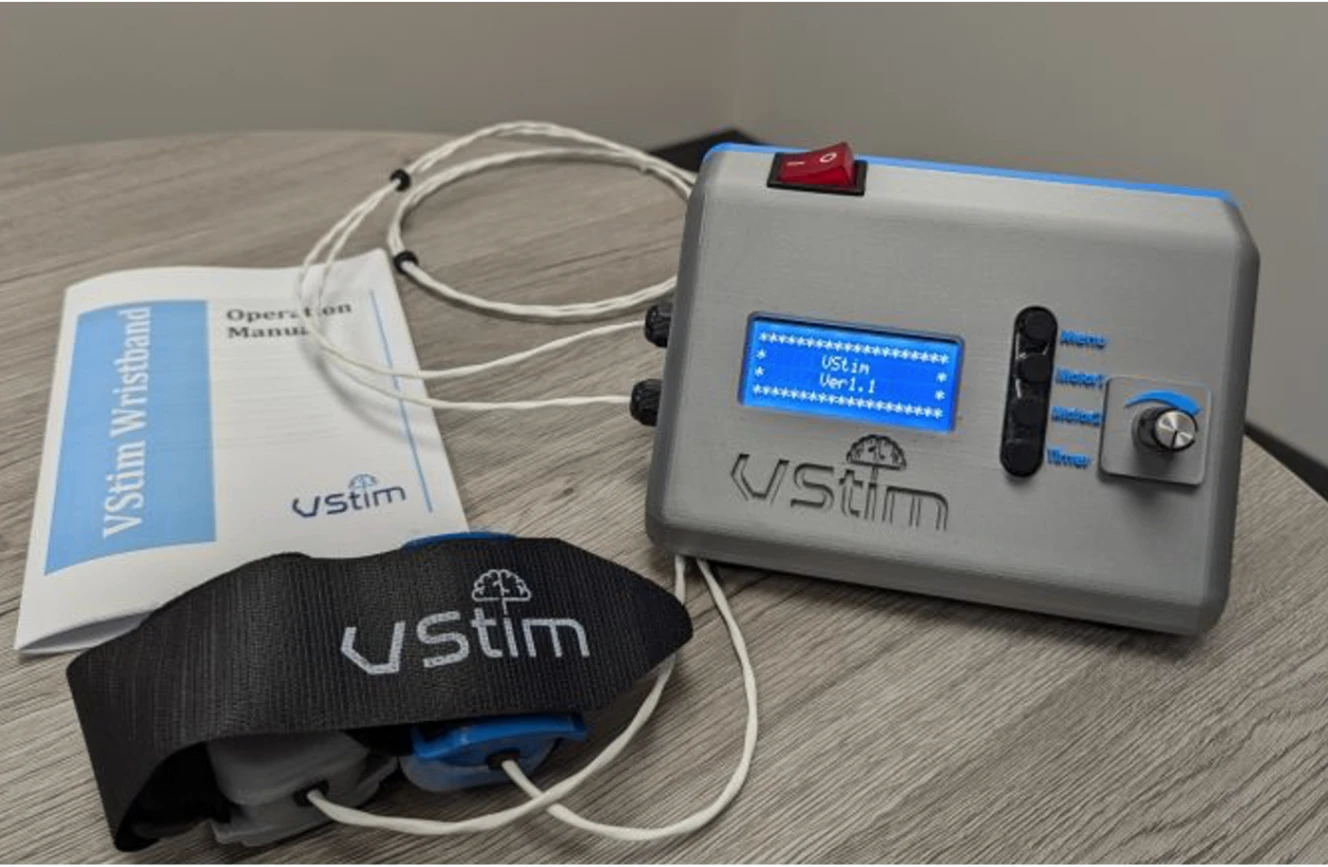
Wearable medical device prototype
Undergraduate Thesis | Lead Student Researcher BIOE 4240 • Post-Stroke Rehabilitation

Wearable Proprioceptive Wristband for Post-Stroke Rehabilitation

Situation

Individuals recovering from stroke often experience impaired proprioception, which limits motor control and slows rehabilitation. Existing solutions are often expensive or unsuitable for home use.

Task

Design and evaluate an affordable, wearable system capable of delivering proprioceptive feedback and quantitatively assessing its impact on motor performance.

Action

Co-designed a wristband with dual muscle–tendon vibration controlled via Raspberry Pi. Developed control code, designed a 3D-printed interface, and conducted human-subject testing to analyze motor metrics.

Result

Demonstrated improved motor consistency and accuracy during vibration conditions. Results support translation to scalable, home-based rehabilitation devices.

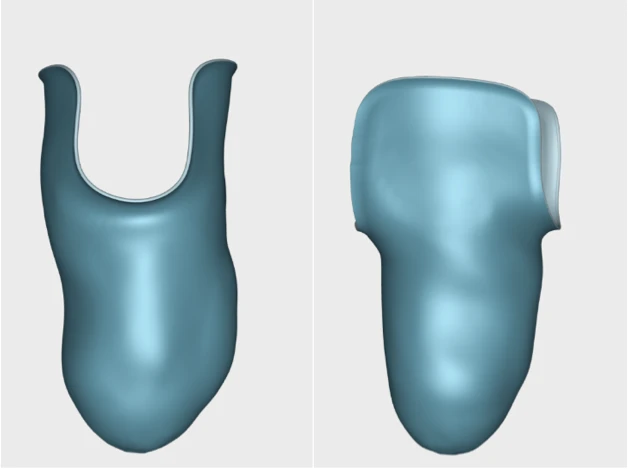
3D printed prosthetic components
Capstone Project | Anderson Orthopedics BIOE 4900 / 4950 • Manufacturing Optimization

Digitally Enabled Transtibial Prosthetic Socket Manufacturing

Situation

Traditional transtibial prosthetic socket manufacturing is labor-intensive and time-consuming, limiting clinic scalability and increasing production costs.

Task

Develop a more efficient manufacturing workflow that maintains clinical quality and patient satisfaction while reducing production time and labor.

Action

Led feasibility testing of a hybrid workflow combining manual casting with 3D scanning, digital design, and additive manufacturing. Conducted physical property testing and quantified labor metrics.

Result

Reduced hands-on labor by 22.1% and total production time by 26.4% while maintaining quality. Demonstrated a cost-effective approach to modern fabrication.

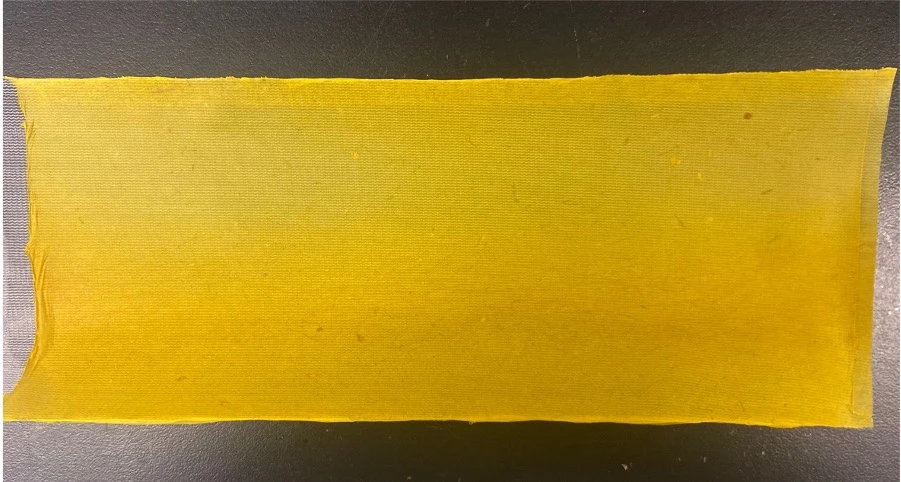
Microscopic view of nanofibers
Research Assistant | Summer Research (2023) Wound Infection Detection • Nanofibrous Sensors

Colorimetric Nanofibrous Biosensors for Early Wound Infection Detection

Situation

Early detection of wound infections is critical, but existing indicators often produce false positives due to environmental factors like pH and salt concentration.

Task

Improve the reliability and specificity of colorimetric wound infection sensors by reducing false positives while maintaining sensitivity to bacterial activity.

Action

Modified electrospun polyurethane formulations to reduce interference. Fabricated nanofibrous membranes and tested response against bacterial cultures and commercial lipases.

Result

Eliminated false positives and detected bacterial concentrations from 10¹⁰ to 10¹³ CFU/cm². Membranes also inhibited localized bacterial growth.

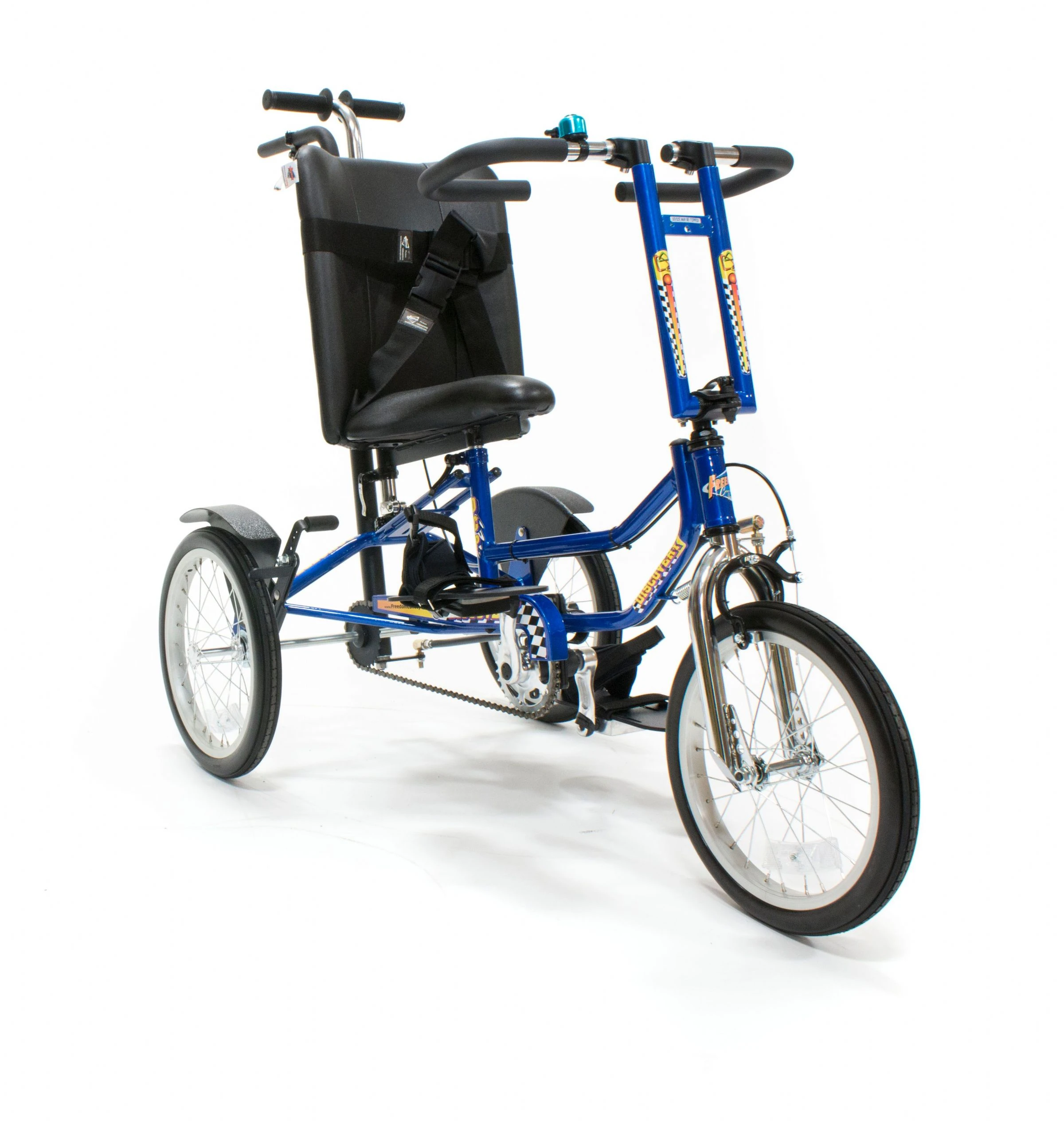
Adaptive cycling technology concept
Industry Partner: Freedom Concepts Summer Industry Project (2024) • Pediatric Rehab

Smart Adaptive Bicycle with Pressure Sensing and Motion Tracking

Situation

Adaptive bicycles used in pediatric rehabilitation lack objective metrics to quantify cycling biomechanics and track rehabilitation progress.

Task

Assess the feasibility of integrating sensing and motion capture technologies into adaptive tricycles to enable quantitative rehabilitation assessment.

Action

Evaluated markerless motion capture platforms (Move.ai) and designed a preliminary pressure-sensing system for the seat and backrest to assess posture and weight distribution.

Result

Proved feasibility of transforming adaptive bicycles into smart tools providing objective feedback for personalized therapy and progress tracking.

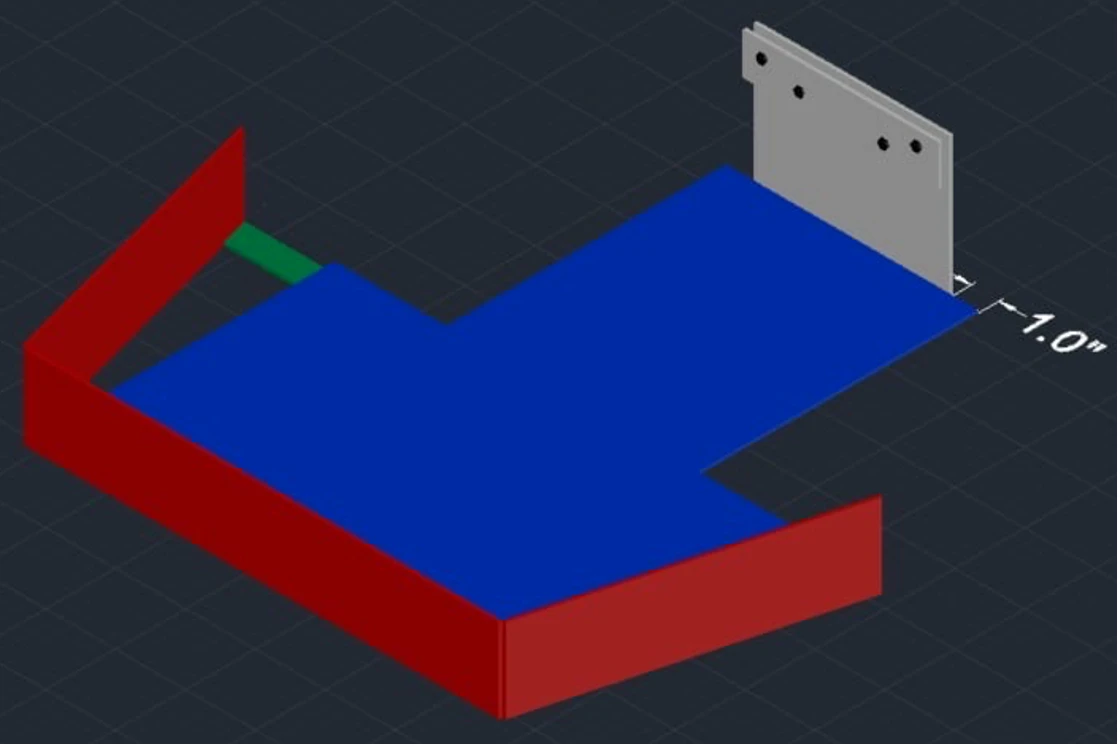
Assistive technology engineering design
BIOE 4610 – Design of Assistive Technology Lower-Extremity Injury Prevention

Power Wheelchair Foot Guard Attachment

Situation

Approximately 25% of power wheelchair-related injuries involve the lower extremities, often caused by collisions with environmental obstacles.

Task

Design a cost-effective, detachable foot guard that protects users' feet without restricting mobility or wheelchair maneuverability.

Action

Collected dimensional data, supported mechanical design under strict constraints, and assisted in prototype fabrication and collision testing.

Result

Final prototype cost $110.53 (1/3 commercial cost), successfully protecting users' feet while preventing damage to surrounding surfaces.

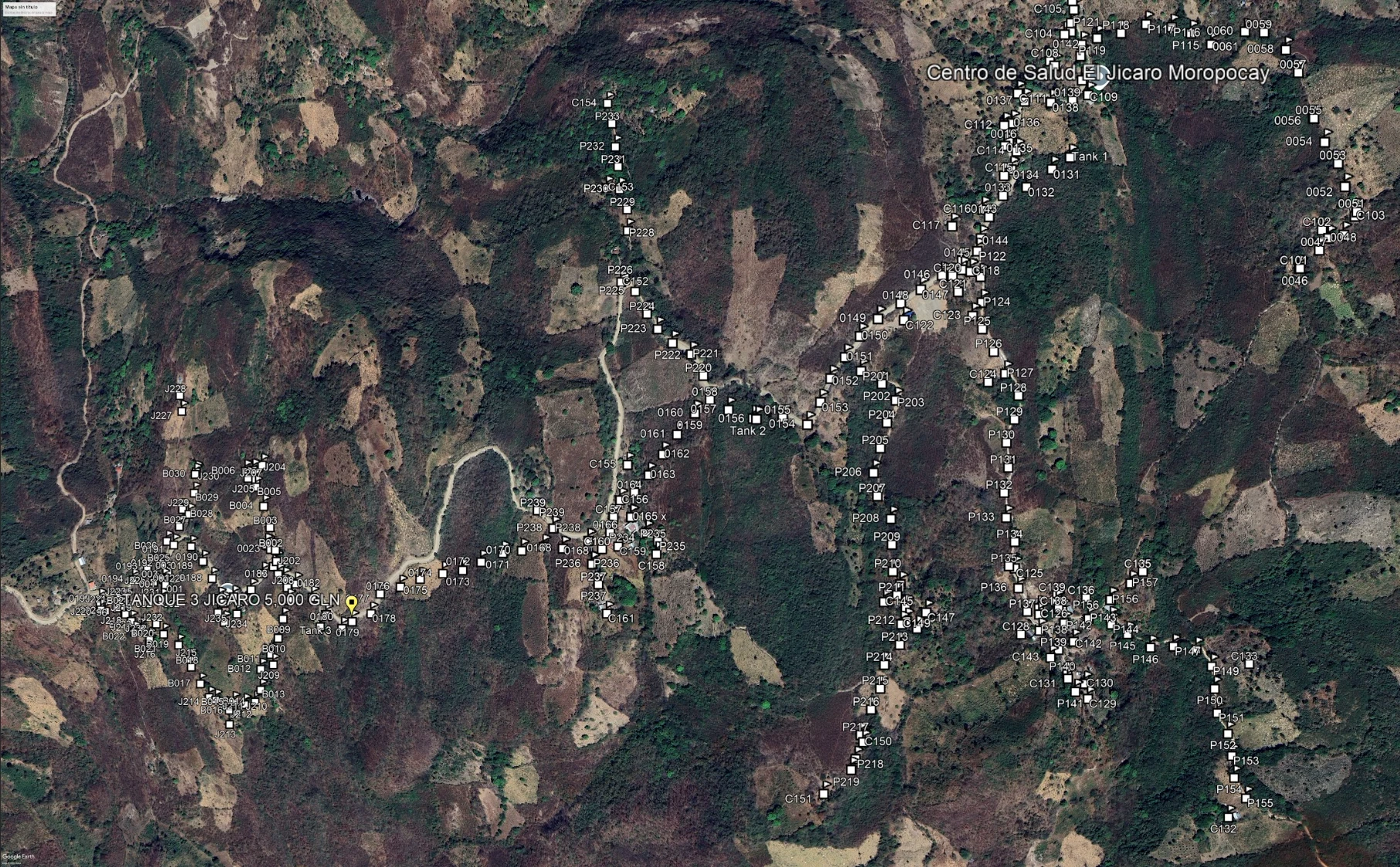
Water System Design & Infrastructure for El Jicaro, Honduras
mapped out Design of Water system Community Water Infrastructure • Rural Development

Water System Design & Infrastructure for El Jicaro, Honduras

Situation

El Jicaro faces severe water scarcity, especially in summer. Residents must walk long distances to access water, then filter it for safe consumption. Those without transportation pay high costs from distant cities, making water access a critical health challenge.

Task

Design a water distribution system that addresses scarcity, reduces transportation burden, and provides safe, accessible water to all households while remaining financially feasible.

Action

Collaborated with Global Brigades staff and community to survey water infrastructure and collect GPS data. Designed an optimized water system in EPANET with two tanks and pressure breaker valve. Created a scalable design for future expansion and mapped 14.21 km of pipeline infrastructure with detailed construction budget.

Result

Designed a complete water system with two tanks, pressure breaker, and 14.21 km pipeline. Total cost: $146,700 CAD (consultation $15,700, materials $53,000, well $26,000, meters $5,000, labor $57,000). Community contribution: $89,000. Provides reliable water access with ongoing support from Global Brigades and the design team.

Volunteering & Leadership

U of M Biomedical Engineering Design Group

2020–2025

An interdisciplinary student group dedicated to hands-on biomedical engineering projects addressing real-world healthcare challenges.

Marketing Executive (2021–2025)

Promoted initiatives, engaged the engineering community, and recruited new members while organizing workshops for skill development.

Anti-Gravity Machine Project (2020–2021)

Developed prototypes for patient support devices, assisting in mechanical design and safety testing.

OIC Testing Device Project (2022–2023)

Participated in design, prototyping, and evaluation of biomedical testing tools.

Gained experience in teamwork, project management, and problem-solving by collaborating with health sciences and computer science students.

University of Manitoba Engineering Society (UMES)

2022–2025

A student-run organization focused on professional development, networking, and student engagement within the Faculty of Engineering.

Professional Development Directorship

Organized technical workshops and networking events to enhance career readiness.

Frosh Integration

Mentored first-year students, guiding their transition and fostering community.

Finance & Conference Committees

Managed budgets, coordinated funding, and supported attendance at national conferences.

Local Discipline Committee Rep

Advocated for student interests in faculty governance and policy discussions.

Great Northern Concrete Toboggan Race Team

2023–2025

A competitive team that designs, builds, and races concrete toboggans annually across Canada.

Team Member

Helped with the structural design of the toboggan ensuring it could meet competition rules and regulations 

Finance Lead

Oversaw budgeting, expense tracking, and fund allocation for design and fabrication.

Coordinated fundraising efforts and secured sponsorships while collaborating closely with design teams to balance project costs with technical requirements.

UM Earth / Global Engineering Brigades

2023–2025

A student-led initiative focused on sustainable development and international engineering outreach.

VP Finance

Managed team budgets and maximized financial impact for the 2025 international project in Honduras.

International Outreach

Participated in on-site projects in rural Honduras, collaborating with locals to implement sustainable water infrastructure.

Engaged with cross-disciplinary teams to execute initiatives combining engineering solutions with local community needs.

Get in Touch

Currently based in Berkeley, CA. Open to opportunities in bioengineering and medical device design.